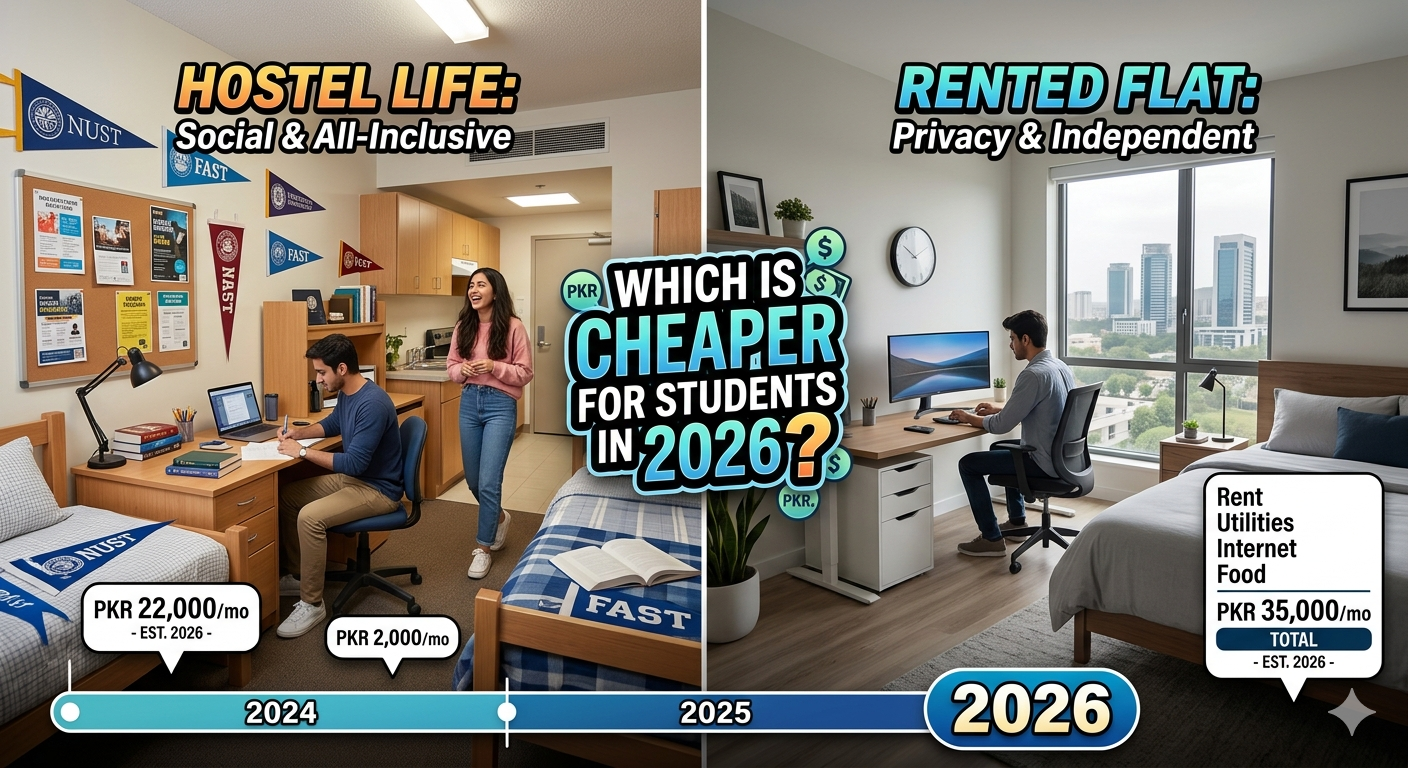
Hostel fees in 2026 typically bundle multiple services into one single monthly payment. This usually covers your bed, basic furniture, and access to communal areas like lounges. For many students, this predictable expense makes monthly budgeting much simpler and more transparent. You avoid the stress of tracking separate bills for various household services.
Most modern hostels include electricity, water, and heating within the base rental price. With energy prices fluctuating in 2026, this "all-inclusive" model protects students from unexpected seasonal spikes. You won’t have to worry about the cost of a long shower or keeping the heater on. This stability is a massive financial advantage for those on a strict scholarship.
Internet is a non-negotiable requirement for students, and hostels usually provide campus-wide Wi-Fi. In 2026, many private hostels have upgraded to fiber-optic speeds to support remote learning. This service is almost always included in the room rent at no extra charge. Sharing a connection with dozens of peers keeps the per-head cost significantly lower.
Hostels provide professional security and on-call maintenance staff as part of the package. If a lightbulb breaks or a pipe leaks, the management handles it for free. You don't have to pay for expensive private contractors or emergency repair services. Having a dedicated security team also saves you from investing in personal home security systems.
Renting a flat usually requires a significant upfront security deposit and the first month’s rent. In 2026, landlords often demand the equivalent of two months' rent as a refundable bond. This initial "entry cost" can be a heavy burden for students without large savings. Unlike hostels, you are paying for the entire space regardless of how many people live there.
Flat residents must manage and pay for their own electricity, gas, and water meters. These costs have risen by roughly 15% over the last year, making them a volatile monthly variable. You are responsible for setting up accounts with providers and ensuring bills are paid on time. Failure to monitor usage can lead to massive "bill shocks" during the winter months.
Hostels often have mess halls, but flat living requires you to shop and cook. While bulk cooking is cheaper, the initial cost of kitchenware and staples adds up quickly. You also lose the "economy of scale" that a large hostel kitchen provides to its residents. Students often find themselves spending more on impulsive grocery trips when living independently.
Many affordable flats in 2026 are listed as unfurnished or only partially furnished. You may need to buy a bed, desk, chair, and basic kitchen appliances like a microwave. These one-time purchases can easily cost over $1,000, which adds to your first-year deficit. Hostels, by contrast, come "ready-to-live," saving you these substantial setup costs immediately.
Hostels are usually located on or very near the university campus for convenience. This proximity eliminates the need for expensive monthly bus passes or train tickets in 2026. Flat dwellers often choose cheaper areas further away, but they pay the price in travel. The time lost in commuting also has an indirect "opportunity cost" for your studies.
Hostels offer built-in social circles that can lead to shared study resources and notes. These informal networks can actually save you money on textbooks and tutoring through peer help. In a flat, you are more isolated and may spend more on external social activities. The "hostel culture" often provides free entertainment through organized communal events and game nights.
Rented flats offer a quiet environment that can lead to better grades and focus. While the flat is more expensive, the "cost per hour of sleep" might be worth it. Hostels can be noisy, sometimes forcing students to spend money at cafes for a quiet workspace. If your productivity suffers in a hostel, the long-term cost of retaking classes is high.
If you rent a flat with three or four friends, the price can drop below hostel rates. In 2026, "co-living" in a shared flat is the primary way students beat the housing crisis. Splitting a $2,000 rent four ways is often cheaper than four individual $700 hostel beds. However, this only works if every roommate is reliable and pays their share on time.
For a single semester, the hostel is almost always the cheaper and safer financial bet. You avoid the "move-in" costs and the hassle of setting up various utility contracts. However, if you plan to stay for three years, a flat becomes more economical over time. Once the furniture is bought and the deposit is paid, the monthly costs stabilize.
Hostels often offer flexible "per-semester" contracts that match the academic calendar perfectly. Rented flats usually require a 12-month lease, meaning you pay for the summer even if you leave. Paying rent for three months while you are back home is a major financial drain. This "ghost rent" often makes the flat more expensive on an annual basis.
When you add up rent, bills, food, and transport, hostels typically cost 10-15% less than flats. This gap is wider in 2026 due to the high inflation affecting individual utility and food prices. Hostels act as a hedge against inflation by locking in your total living costs early. For most students, the hostel remains the king of affordability this year.
Your decision should be based on your personal budget and your ability to manage finances. If you are organized and have roommates to split costs, a flat offers freedom. If you want to focus entirely on your degree without worrying about bills, choose the hostel. Ultimately, the "cheapest" option is the one that allows you to succeed academically.





 Welcome!
Comments